








-
 News
News
Lightelligence Returns to Nature After Eight Years
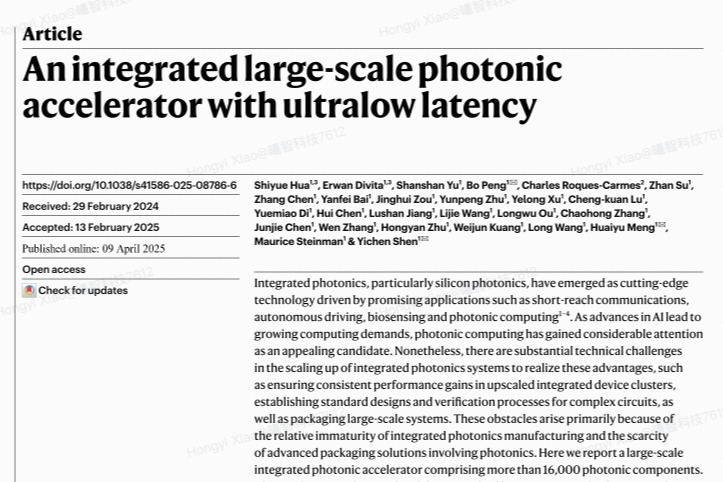
On April 9, London time, the world's top academic journal Nature published Lightelligence's optoelectronic hybrid computing achievement: "An integrated large-scale photonic accelerator with ultralow latency".

-
Product Related
-
Research Cases
-
Papers & Blogs
-
News & Media
-
Documentation Center
-
Product Related
-

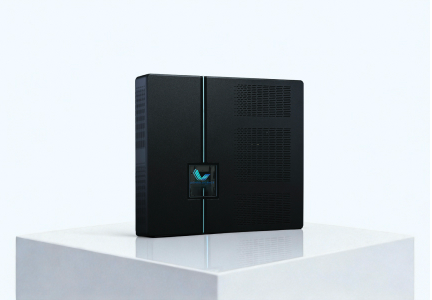 Gazelle®️
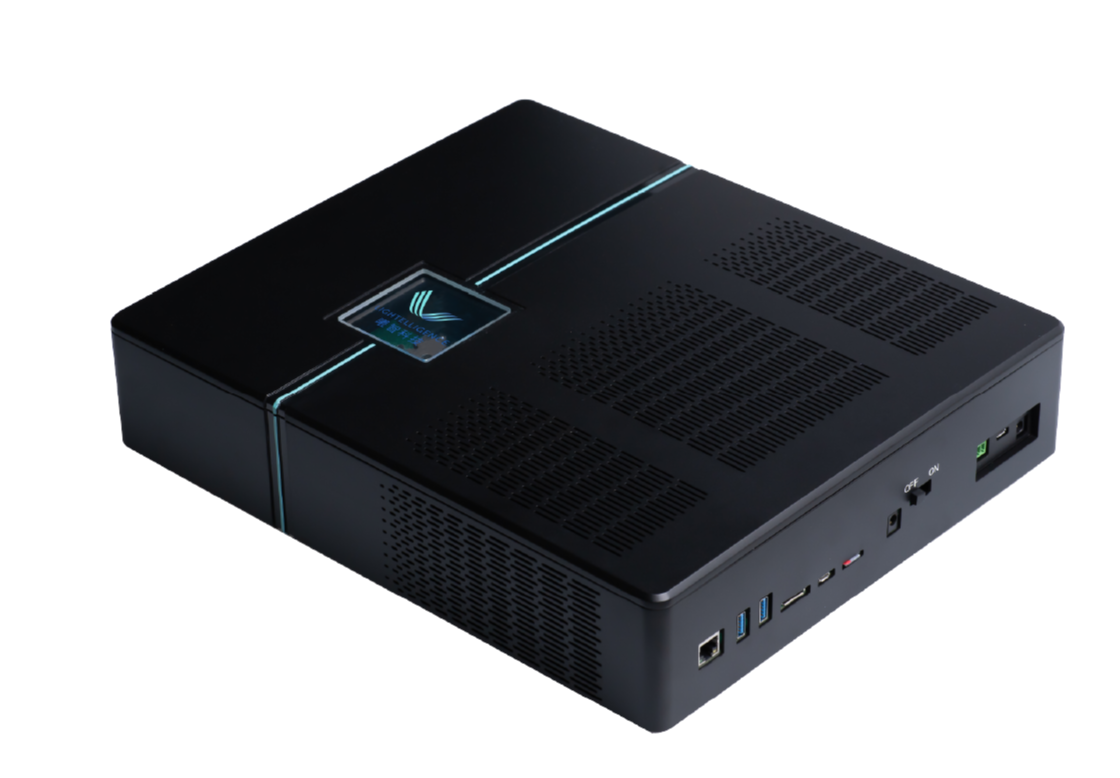
Gazelle®️optical computing evaluation board is a new-generation research platform based on optical principles, capable of performing 8×2 fundamental optical matrix computations.

-
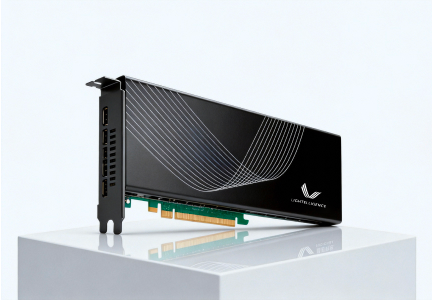 PACE®️ 2
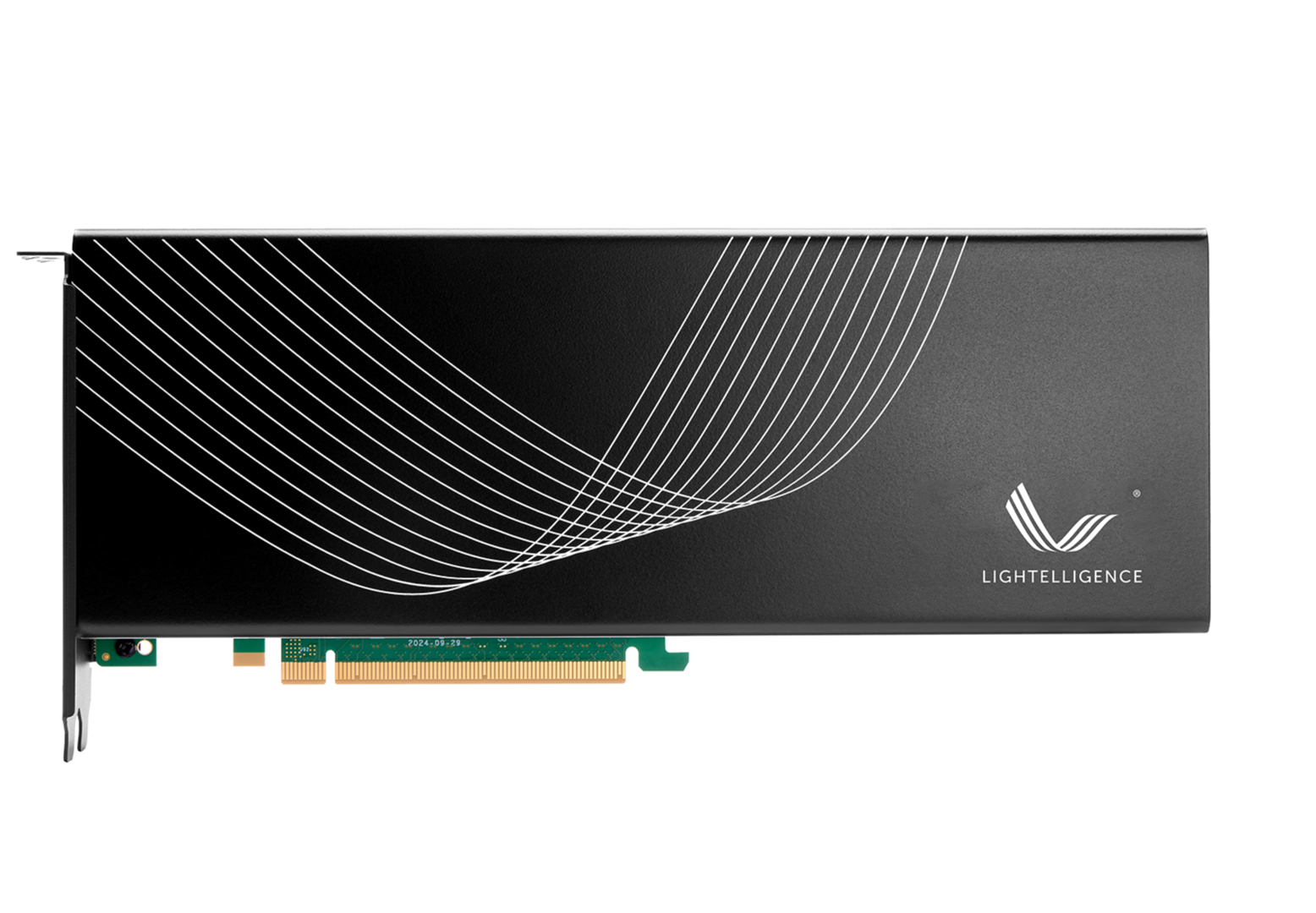
PACE®️2 is an optoelectronic accelerated computing card released by Lightelligence in 2025, showing key features of high performance, programmability, versatility, and advanced packaging technology.
-
-
Research Cases
-

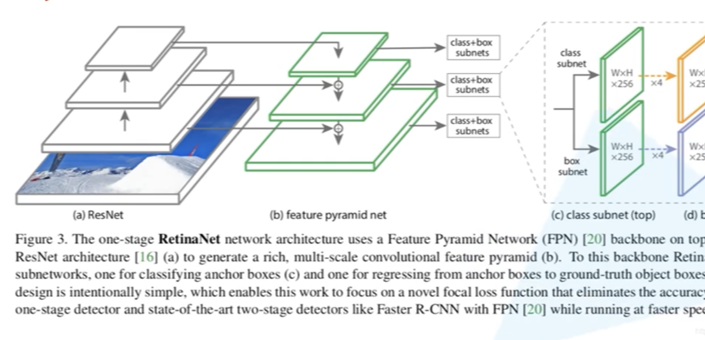 Application of optical computing in RetinaNet object detection task
ImageNet is a dataset, not a neural network model. It was initiated by Stanford professor Fei-Fei Li to address overfitting and generalization issues in machine learning.
- LTS
- CV
-
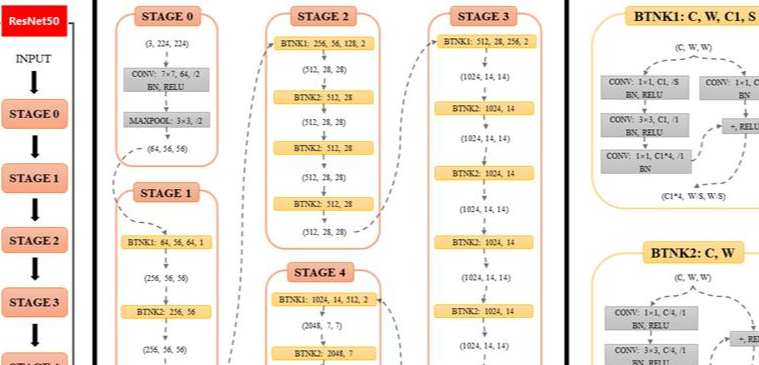 Optical computing applied to ResNet50 image classification
ImageNet is a dataset, not a neural network model. It was initiated by Stanford professor Fei-Fei Li to address overfitting and generalization issues in machine learning.
- LTS
- CV
-
-
Papers & Blogs
-
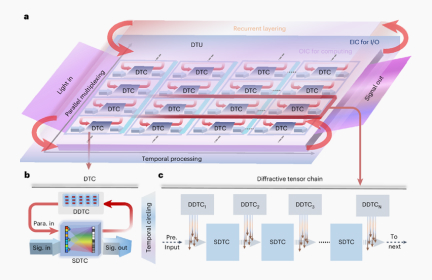 Industry paperDiffractive tensorized unit for million-TOPS general-purpose computing
This paper was published in Nature Photonics and was completed by the team of Academician Dai Qionghai and Professor Fang Lu from Tsinghua University.
-
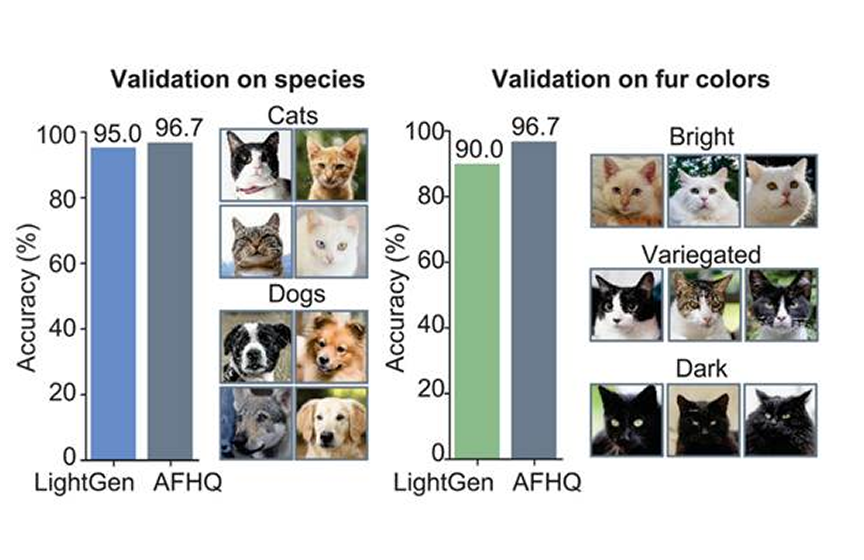 Industry paperAll-optical chips for large-scale intelligent vision generation
On December 19, 2025, the team of Chen Yitong from Shanghai Jiao Tong University published a paper in Science titled "All-optical synthesis chip for large-scale intelligent semantic vision generation"
-
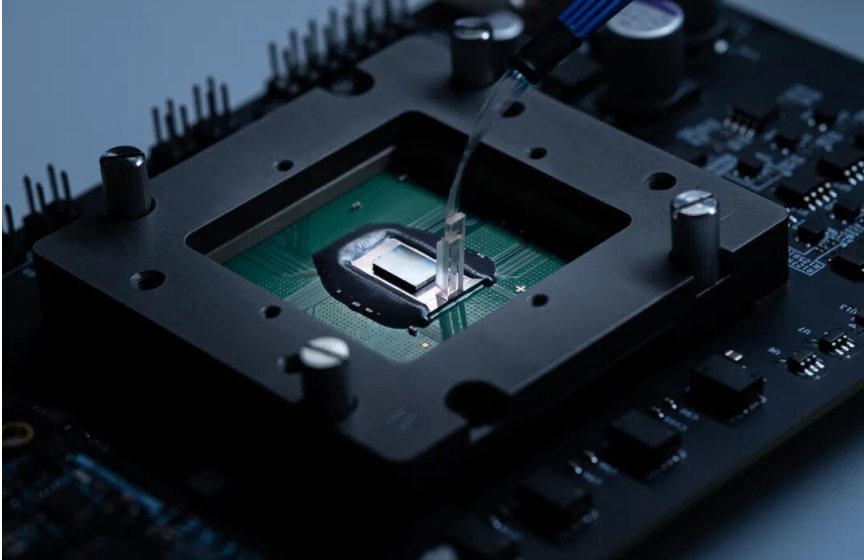 Lightelligence papersNature Publishes Xizhi Technology's Optoelectronic Hybrid Computing Achievement
Nature Publishes Lightelligence's Optoelectronic Hybrid Computing Achievement
-
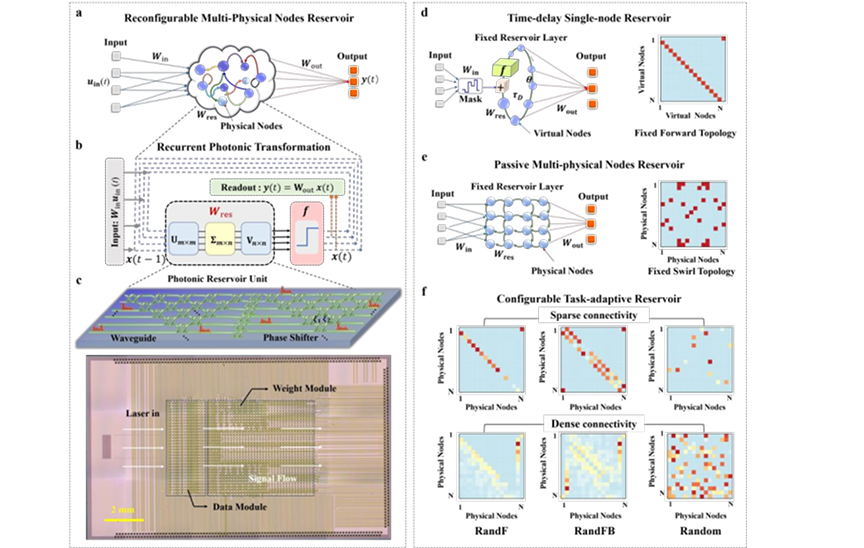 Lightelligence paperLarge-scale reconfigurable photoelectric reservoir computing based on programmable silicon photonics chips
At a time when the demand for AI computing power is growing exponentially, optical computing is highly anticipated for its ultralow latency and high energy efficiency. Reservoir Computing (RC) is a hardware-friendly, training-efficient computing paradigm.
-
 BlogOptical Computing in Formal Verification
In contemporary technology, integrated circuit (IC) design is both precise and complex. In the chip design flow, Electronic Design Automation (EDA) software is crucial, and the chip design verification process is a very important step. Chip verification checks whether the chip design is correct and secure, accounting for nearly 1/2 of the cost and time of chip design. Formal verification uses formal proof methods to verify whether the design's functionality is correct. It is a very important means of ensuring chip correctness and security and has become a key module of EDA software.
-
 BlogOptical Computing in Medical and Pharmaceutical Applications
Lightelligence's optical computing chip arranges a series of optical matrix multipliers, utilizing the principle of rapid light propagation in photonic devices to achieve advantages of high throughput, low latency, and low power consumption. It can be used for the rapid solution of NP-complete problems, such as the maximum clique problem.
-
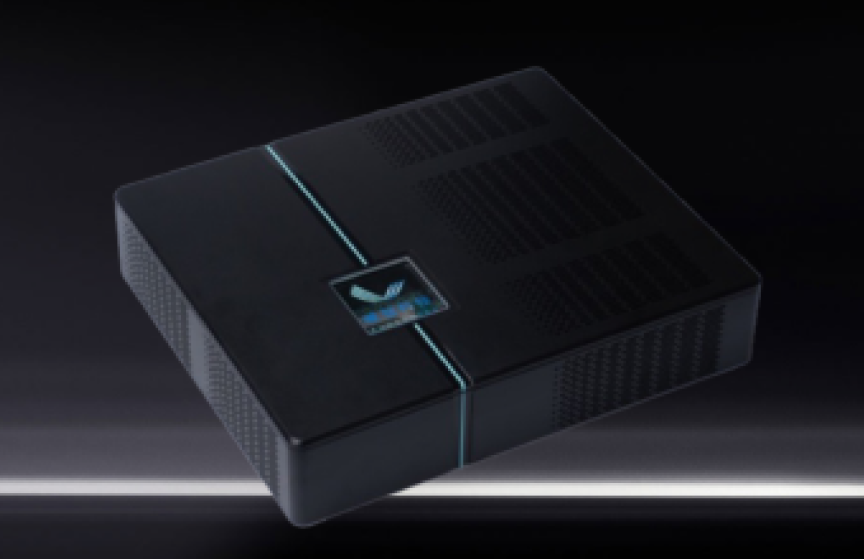 BlogOptical Computing in Financial Applications
Lightelligence’s optical computing chip incorporates an array of optical matrix multipliers. By leveraging the principle of fast light propagation in photonic devices, it achieves the advantages of high throughput, low latency, and low power consumption. It can be applied to rapidly solve NP-complete problems, such as the maximum clique problem.
-
-
News & Media
-
2026-06-02Photonics: A Foundational Scaling Layer for AI-Era Computing
-
2023-05-18Semiconductor Insiders: How Lightelligence Changes the Compute Paradigm with Light
-
2023-05-17Can photonics deliver the next breakthrough in research computing?
-
2023-01-14Harnessing Light and Redefining What is Possible: Lightelligence and The Rise of Optical Computing
-
2023-01-09Photonic Computing for Sale
-
2022-12-20Economist: Artificial intelligence and the rise of optical computing
-